quinta-feira, setembro 20, 2007
 Rádio Graciosa
 Twenty-three new sites, in 18 countries, added to UNESCO's World Network of Biosphere Reserves.
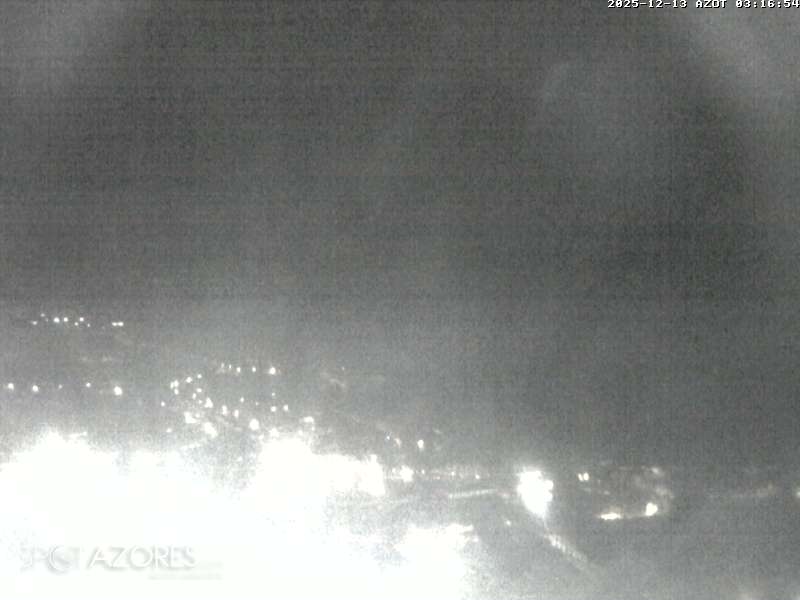
Graciosa Island, Portugal the site is located in the Azores archipelago off the coast of Portugal and encompasses the entire island and surrounding marine area. Graciosa Island is exceptionally geo-diverse; the central volcano (Caldeira) is distinguished by slag and spatter cones, surtseyan cones, basaltic lava flows, sub-volcanic forms, volcanic depressions, caves and algares (gas originated domes). The biosphere reserve includes coastal habitats and evergreen forests and is home to numerous species of endemic birds, bats, molluscs, and arthropods. Agriculture, wine production, and cattle farming are the traditional livelihoods of the inhabitants of this culturally diverse island. Its mild climate, thermal springs, and beautiful landscapes give Graciosa high potential for eco or cultural tourism.
Corvo Island, Portugal it is the smallest of the Azorean Islands situated in the extreme northwest of the archipelago, off the coast of Portugal. The island is the emerged part of a volcanic cone (rising 718 meters above sea level) that dominates and shapes the landscape, creating diversified morphology that supports many endemic species. The biosphere reserve includes the island's entire emerged land mass and surrounding marine area. Long-time agriculture and cattle breeding have produced a man-made landscape of high cultural significance. The execution of novel management strategies and the local population's willingness to participate in experimental community resource management make Corvo Island an exceptional place for research.
Fonte: www.unesco.org